Safety

Your safety is our priority

Everything we do is designed around safer Tirzepatide treatment, from assessment and dose progression to cold-chain delivery and side-effect support.

Content reviewed by Second Cure care team · Last reviewed April 2026
Medication safety

What are GLP-1 medications?

Tirzepatide is a dual GIP/GLP-1 receptor agonist — an injectable medication originally developed for Type 2 diabetes that has also been shown to produce significant weight loss in clinical trials. It is manufactured by Eli Lilly under the brand names Mounjaro and Zepbound.

These medications work by mimicking natural incretin hormones that regulate appetite, blood sugar, and gastric motility. Tirzepatide has been extensively studied in the SURMOUNT and SURPASS clinical trial programmes, involving tens of thousands of participants across multiple countries.

01
Appetite regulation

GLP-1 receptor agonists act on receptors in the hypothalamus that control hunger and satiety, reducing appetite and food cravings. Patients typically experience a natural reduction in caloric intake without feeling deprived. (Jastreboff et al., NEJM 2022)

02
Gastric emptying

These medications slow the rate at which food leaves the stomach (delayed gastric emptying), helping you feel full longer after meals. This contributes to reduced portion sizes and more mindful eating patterns.

03
Clinical evidence

The SURMOUNT-1 trial showed that tirzepatide 15mg produced an average 22.5% body weight reduction over 72 weeks compared to 2.4% for placebo. These are among the largest weight reductions ever observed in a clinical trial of an anti-obesity medication. (SURMOUNT-1, NEJM 2022)

What to expect

Common side effects and how to manage them

Most side effects are gastrointestinal, occur during the dose-escalation phase, and tend to reduce over time. In the SURMOUNT-1 trial, the most common reason patients discontinued was gastrointestinal side effects, but the majority who experienced them found they improved within 1–2 weeks. (SURMOUNT-1, NEJM 2022)

🤢
Nausea

The most commonly reported side effect, affecting up to 24–33% of patients in clinical trials. It is typically mild to moderate, peaks during the first 1–2 weeks of a new dose, and usually settles as your body adjusts. Eating smaller meals and avoiding fatty or heavy foods can help. (SURMOUNT-1, NEJM 2022)

Contact support if nausea is persistent or affects daily life
🍴
Reduced appetite

This is expected and part of how the medication works. You will likely feel satisfied with smaller portions and experience fewer cravings. It is important to continue eating regular, balanced meals even if your appetite is reduced, to ensure adequate nutrition.

Expected effect — not a cause for concern
💉
Injection site reactions

Mild redness, itching, or soreness at the injection site is common and temporary. Rotating injection sites (abdomen, thigh, upper arm) between doses can help minimise irritation. These reactions typically resolve within a few hours to a day.

Contact support if redness spreads or lasts more than 48 hours
Constipation or diarrhoea

Changes in bowel habits are reported in approximately 17–21% of patients. Both constipation and diarrhoea are possible, usually mild, and tend to resolve as your body adjusts. Staying well-hydrated and maintaining fibre intake can help manage these symptoms. (SURMOUNT-1, NEJM 2022)

Contact support if severe or lasting more than a week
Side effects

Full side effects profile

The following side effects have been reported in clinical trials and post-marketing surveillance of tirzepatide. This is not an exhaustive list. If you experience any symptom that concerns you, contact support.

Common (reported in trials)

Common side effects

These affect a significant proportion of patients, typically during the dose-escalation phase. They usually improve with time and are most pronounced during the first few weeks at each new dose level. (SURMOUNT-1, NEJM 2022)

  • Nausea Most common; usually temporary, peaks in first 1–2 weeks of a new dose
  • Reduced appetite Expected therapeutic effect
  • Diarrhoea Usually mild and self-limiting
  • Constipation Manage with hydration and fibre
  • Abdominal discomfort or bloating Often related to eating speed or portion size
  • Headache Usually resolves within first week
  • Fatigue May occur during caloric deficit; ensure adequate nutrition
  • Injection site reactions Redness, mild soreness; rotate injection sites
Rare but serious

Rare side effects

These are uncommon but require immediate medical attention. Stop your medication and seek emergency care or contact us immediately if you experience any of the following.

  • Pancreatitis Severe persistent abdominal pain that may radiate to the back, with or without vomiting
  • Gallbladder disease Acute pain in upper right abdomen, especially after eating; cholelithiasis reported in trials
  • Severe allergic reactions (anaphylaxis) Swelling of face/throat, difficulty breathing, rapid heartbeat, severe rash
  • Thyroid C-cell tumours Swelling or lump in neck, hoarseness, difficulty swallowing (observed in rodent studies; human relevance uncertain)
  • Hypoglycaemia Primarily in patients also taking insulin or sulfonylureas; symptoms include shakiness, sweating, confusion
  • Acute kidney injury Changes in urination, swelling; usually associated with dehydration from GI side effects
When to seek immediate help

If you experience severe abdominal pain, persistent vomiting, difficulty breathing, swelling of the face or throat, or any symptoms that feel like an emergency: stop your medication and seek immediate medical attention. Call 112 or go to your nearest hospital. Then contact Second Cure support so the event can be recorded and followed up.

Contact Second Cure support

Non-urgent: reach out to us

For side effects that are uncomfortable but not dangerous, contact our care team through your account or WhatsApp. We aim to respond within 4 hours during support hours (10 AM – 4 PM WAT, Monday – Friday).

  • Nausea that is manageable but has not improved after 2 weeks
  • Constipation or diarrhoea lasting more than a week
  • Fatigue or headaches that are affecting your routine
  • Injection site redness that has not resolved after 48 hours
  • Any question about dose timing, storage, or administration
  • Mood changes or any symptom you are unsure about
Seek emergency care

Urgent: go to hospital or call 112

These symptoms require immediate medical attention. Do not wait for a response from Second Cure. Stop your medication and seek emergency care first.

  • Severe abdominal pain that does not improve
  • Persistent vomiting that prevents you from keeping fluids down
  • Difficulty breathing or swelling of face, lips, or throat
  • Signs of severe allergic reaction (widespread rash, rapid heartbeat, dizziness)
  • Signs of dehydration (very dark urine, dizziness, rapid pulse) from prolonged vomiting or diarrhoea
  • Any symptom that feels like a medical emergency
Our protocols

How we keep you safe

Safety is not a feature of our service. It is the foundation of everything we do.
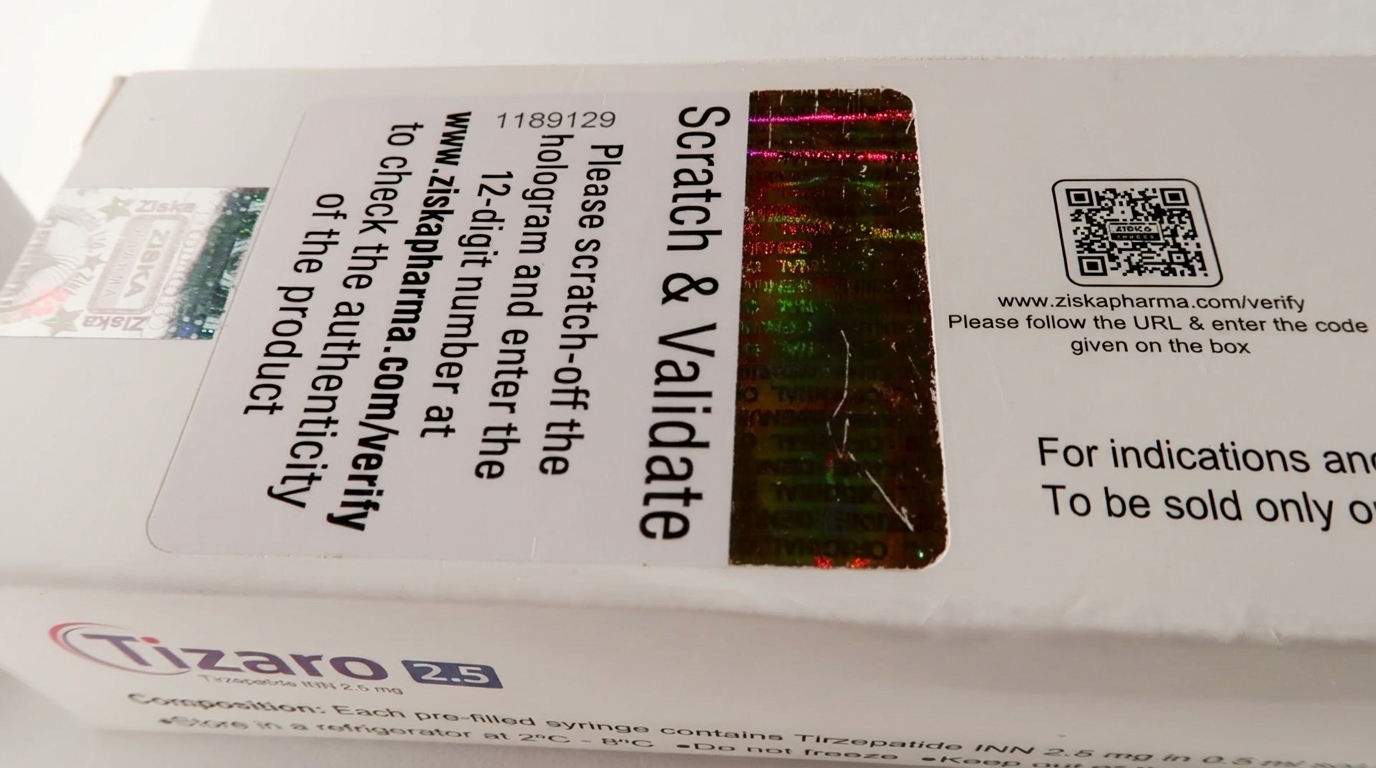
Tizaro authenticity verification — scratch and validate hologram
📋
Structured assessment

Every order starts with an assessment that screens for contraindications, medication interactions, BMI suitability, and previous GLP-1 experience. Assessments are reviewed by the Second Cure care team before treatment proceeds.

Cold-chain handling

Tirzepatide requires refrigeration (2–8°C). Our delivery process is built around refrigerated handling from dispatch to drop-off, with temperature-controlled packaging throughout.

📈
Dose protection

New patients always start at the lowest dose (2.5mg). Higher doses are only available after the lower-dose course has been completed and reviewed. No skipping steps.

💬
Side-effect follow-up

Reported side effects and missed check-ins are surfaced to our care team promptly, so the right follow-up can happen before small issues become bigger ones.

Contraindications

Who should not take tirzepatide

Tirzepatide is not suitable for everyone. The following are absolute or relative contraindications. Our assessment screens for all of these, but it is important that you disclose your full medical history honestly.

Pregnancy, planning pregnancy, or breastfeeding

Tirzepatide is not approved for use during pregnancy or while breastfeeding. The effects on foetal development have not been adequately studied. Treatment must be stopped at least 2 months before a planned pregnancy due to the long half-life of the medication.

Type 1 diabetes

GLP-1 receptor agonists are not indicated for Type 1 diabetes. They are not a substitute for insulin in this population and may increase the risk of diabetic ketoacidosis or dangerous hypoglycaemia.

Personal or family history of medullary thyroid carcinoma (MTC) or MEN2

Tirzepatide carries a boxed warning regarding thyroid C-cell tumours observed in rodent studies. It is contraindicated in patients with a personal or family history of medullary thyroid carcinoma or Multiple Endocrine Neoplasia syndrome type 2 (MEN2). (Mounjaro prescribing information, Eli Lilly)

History of pancreatitis

Patients with a personal history of pancreatitis should not use GLP-1 receptor agonists. There is a potential risk of acute pancreatitis, and a prior episode increases this risk.

Severe gastrointestinal disease

Patients with gastroparesis, severe inflammatory bowel disease (Crohn's disease, ulcerative colitis), or bowel obstruction may experience significantly worsened symptoms. GLP-1 receptor agonists delay gastric emptying, which can aggravate these conditions.

Active eating disorders

Patients with active anorexia nervosa, bulimia nervosa, or severe binge eating disorder require specialist psychiatric and nutritional support. Appetite-suppressing medication may worsen disordered eating patterns and is not appropriate without specialist involvement.

Severe renal impairment

Patients with severe kidney disease (eGFR < 30 mL/min) should use caution. Dehydration from gastrointestinal side effects can worsen renal function. Close monitoring is required and treatment may not be appropriate.

Known hypersensitivity to tirzepatide

If you have previously had an allergic reaction to tirzepatide or any of its excipients, you must not use this medication. Report any prior adverse reactions during your assessment.

What happens if you are not suitable for treatment

Not everyone who completes our assessment will be approved for tirzepatide. If our care team determines that treatment is not appropriate for you based on your medical history, current medications, or other factors, here is what happens:

1

You are told clearly and promptly. We will not leave you waiting. If your assessment raises concerns, you will receive a clear explanation of why treatment cannot proceed at this time.

2

No charge is made. If you are declined before payment, no charge applies. If payment has already been taken and treatment is subsequently declined, you receive a full refund.

3

We explain the reason. Where possible, we will share the specific contraindication or concern so that you can discuss it with your own doctor or healthcare provider.

4

You can reapply if circumstances change. Some contraindications are temporary (for example, pregnancy planning). If your situation changes, you are welcome to complete the assessment again.

Emergency information

Getting help when you need it

While severe side effects are rare, it is important to know what to do and who to contact. Second Cure provides ongoing support, but we are not a substitute for emergency medical services.

How to reach us

For non-emergency questions, side-effect concerns, or treatment queries, you can reach the Second Cure care team through the following channels.

💬
WhatsApp support
Available via your account
Response within 4 hours during support hours
📝
In-account support form
Patient dashboard → Support
Log in to your account to submit a query
🕒
Support hours
10 AM – 4 PM WAT, Mon – Fri
Messages outside these hours are picked up next business day

For medical emergencies, call 112 or go to your nearest hospital immediately. Second Cure is not an emergency medical service. Do not wait for a response from us if you believe you are having a medical emergency.

If you experience a severe reaction

1

Stop your medication immediately if you experience severe symptoms such as intense abdominal pain, difficulty breathing, or signs of a severe allergic reaction.

2

Call 112 or go to your nearest hospital emergency department. Do not drive yourself if you feel unwell — ask someone to take you or call for an ambulance.

3

Bring your medication and packaging with you to hospital so the treating team can see the exact product, dose, and batch number.

4

Contact Second Cure afterwards through your account or WhatsApp once you are safe and have received medical attention, so we can record the event and adjust your treatment plan.

Take the assessment to check
your eligibility

Our assessment screens for contraindications and helps make sure tirzepatide starts at the right dose for you. It takes 3–5 minutes.